

Landlords reducing exposure as regulatory pressure reshapes behaviour


A consistent theme running through the latest landlord data is the growing influence of regulatory and structural pressure on decision-making.
According to the Property118 Landlord Sentiment Survey Q1 2026, a majority of landlords are now choosing to reduce their exposure to the sector rather than expand within it. Based on 2,380 completed responses, 57% of landlords plan to reduce their portfolios over the next 12 months, compared with just 6.8% intending to grow. You can review the full findings here.
The implication is clear: external pressures are beginning to influence long-term strategy.
A changing operating environment
Over recent years, the environment in which landlords operate has evolved significantly. Tax treatment, regulatory requirements and compliance obligations have all shifted, creating a landscape that is more complex and, in some cases, less predictable than before.
The survey data suggests that landlords are responding to this environment in a measured way. Rather than attempting to navigate increasing complexity indefinitely, many are choosing to reduce their involvement.
Not a reaction, but a recalibration
It would be easy to interpret these decisions as a reaction to short-term pressure. The data points towards something more deliberate.
As highlighted elsewhere in the Property118 dataset, many landlords are operating with low levels of borrowing and significant equity.
This means that decisions to reduce exposure are not being forced by immediate financial constraints. Instead, they reflect a broader recalibration of how landlords wish to engage with the sector.
A shift in long-term outlook
When the operating environment becomes more complex, the long-term outlook naturally comes into focus. Landlords begin to consider not just current performance, but future sustainability. Questions around financing, structure, compliance and succession planning become more prominent.
The survey indicates that, for many, the balance has shifted. Continuing to expand under the current framework is no longer seen as the most attractive option.
Implications beyond individual portfolios
The cumulative effect of these decisions has wider implications. If a majority of landlords are reducing exposure, and relatively few are entering or expanding, the overall level of rental supply may be affected over time. This is not an immediate adjustment, but a gradual one, driven by thousands of individual decisions.
A sector adapting to its conditions
The data reflects a sector that is adapting, not abruptly, but steadily. Landlords are not disengaging overnight, but they are adjusting their level of involvement in response to a changing environment.
For now, one conclusion stands out: landlords are not simply reacting to pressure, they are recalibrating their long-term role within the private rented sector.
A conversation worth having?
If you are weighing up your own strategy, whether that’s to sell, expand, or restructure to improve profitibility, it is worth having a discussion with a Property118 consultant to take a closer look at how your portfolio is structured as a whole now, and to forecast the outcomes based on multiple scenario’s.
These conversations are typically most useful for landlords with established portfolios and relatively modest borrowing who are beginning to reflect on how their assets could work more effectively in the years ahead.
|
★★★★★
|
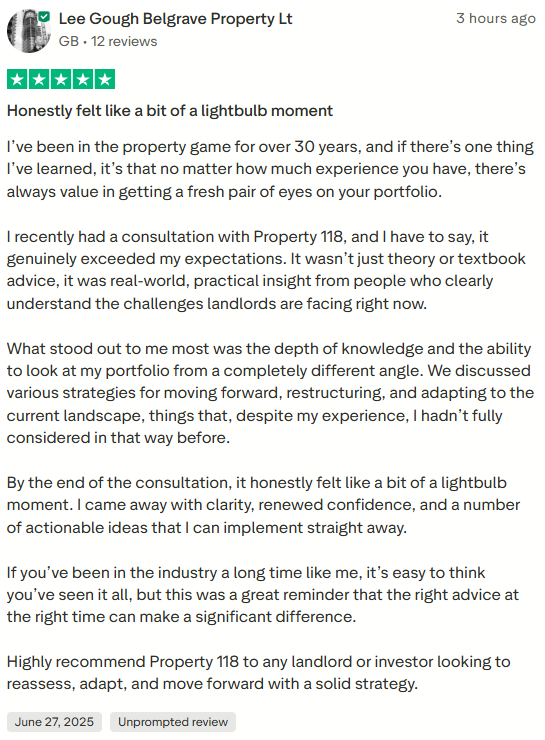
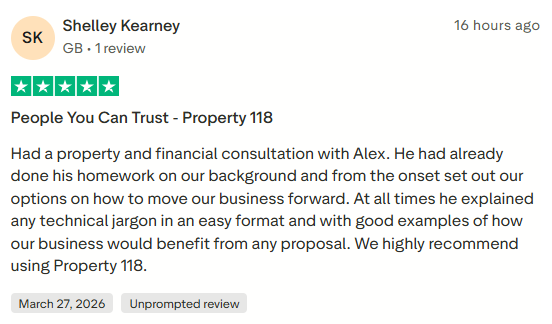
Help other landlords find Property118If you have found Property118 useful, a short Trustpilot review would make a meaningful difference. It helps other landlords decide whether our research is worth following. |
Have Your Say
Every day, landlords who want to influence policy and share real-world experience add their voice here. Your perspective helps keep the debate balanced.
Not a member yet? Join In Seconds
Login with
Previous Article
Selling one poor performer can beat keeping three average onesNext Article
Landlord confidence falls as demand outpaces supply