


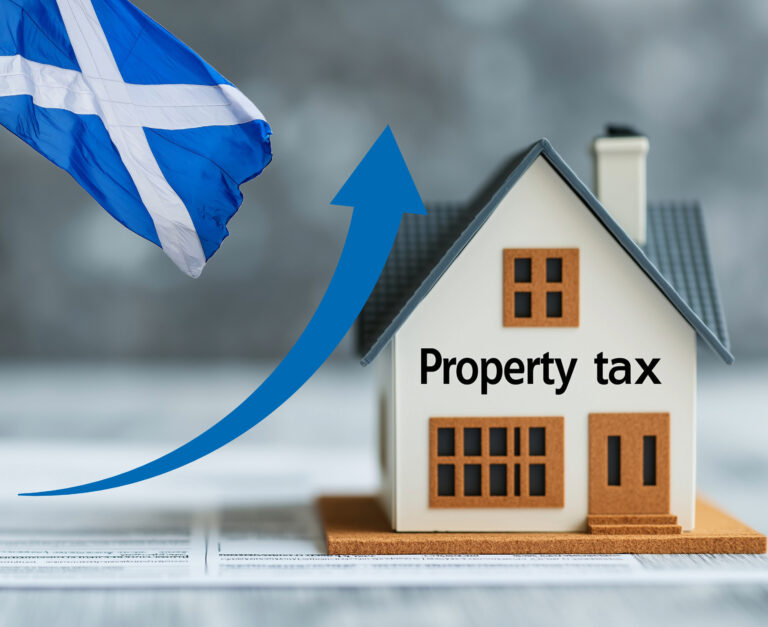
Scottish property taxes soar to £686.5m
12:01 AM, 1st April 2025, 2 years ago
Categories:
Property taxes across Scotland have climbed to £686.5m over the past year, marking a huge 17.6% jump from the previous 12 months, research revels.
DJ Alexander Ltd, a lettings and property firm, highlights that revenues from the Land and Buildings Transaction Tax (LBTT) soared by £102.8m compared to the £583.7m collected between March 2023 and February 2024.
Notably, five months within this period smashed records for the highest monthly LBTT hauls, with July 2024 alone raking in £71.2m.
A hefty £205.6m of this total stems from the Additional Dwelling Supplement (ADS), a levy on second homes and rental investments, accounting for 29.9% of the funds amassed.
That’s an increase of £43.8m from the previous year.
The bulk of residential tax contributions came from homes sold above £325,001, with 18,700 such deals generating £399.6m.
This figure represents 83.1% of the £480.9m gathered through LBTT – excluding ADS – translating to an average tax burden of £21,368 per sale.
Scots pay £13m per week
David Alexander, the firm’s chief executive, said: “Scottish homebuyers are now contributing over £13m a week to the Scottish Government through property taxes.
“The LBTT income from the last 12 months equates to £13.2m every seven days with the bulk of this tax falling on people buying properties valued at over £325,001 which is where the 10% rate begins in Scotland.”
He added: “The usual explanation is that those with the broadest shoulders should pay the greatest amount but clearly these taxes are targeting many Scots who would not regard themselves as rich.
“Yet those earning an annual income of just under £29,000 and living in a property worth just over £325,000 are defined as the Scots with the broadest shoulders.
“Given that the average income in Scotland is £38,000 this means that it is ordinary people who are regarded as appropriate targets for higher taxation.”
Those paying aren’t wealthy
Mr Alexander continued: “It is highly unlikely that these people will believe they are wealthy. This is the income of plumbers, chefs, sales managers, senior drivers and administrators.
“An even higher tax band impacts upon nurses, teachers and police officers.”
He added: “The danger is that these additional taxes will simply be swallowed up by growing general expenditure with taxpayers unable to see why they are being asked to pay more in Scotland.
“I think most homebuyers would prefer to see these taxes targeted at addressing the housing emergency.”
Tax is a big earner
Mr Alexander went on to say: “Property taxes – whether it is LBTT in Scotland or Stamp Duty Land Tax (SDLT) in England – will never be popular but remain a big earner for governments.
“There is surely a legitimate argument to be made for a level playing field between Scotland and the rest of the country.
“It is uncertain what the long-term impact on the Scottish economy of such higher taxes on homes and employment will be, but it is unlikely to be positive in the long term.”
He added: “If higher property and income taxes start to deter individuals and companies from future investments in Scotland, then far from being progressive taxation it will be regressive.”
Tags:
Additional Dwelling Supplement, DJ Alexander Scotland, high property tax Scotland, Land and Buildings Transaction Tax, LBTT Scotland, property tax UK, Scotland homebuyers, Scottish Government revenue, Scottish housing market, Scottish property taxes
Be the first to comment
Your experience could help the next reader
Have you dealt with something similar? Share what you learned, raise a question or offer a perspective your peers may find useful.
Previous Article
Four property firms expelled by Ombudsman for compensation failuresRelated Articles

New EPC rules could lead to higher fines for landlords without valid EPCs in Scotland
2 years ago | 3 comments

Report urges more support for small-scale landlords in Scotland
2 years ago | 2 comments
Not a member yet? Join In Seconds
Login with