

12) When stability quietly disguises the need for change
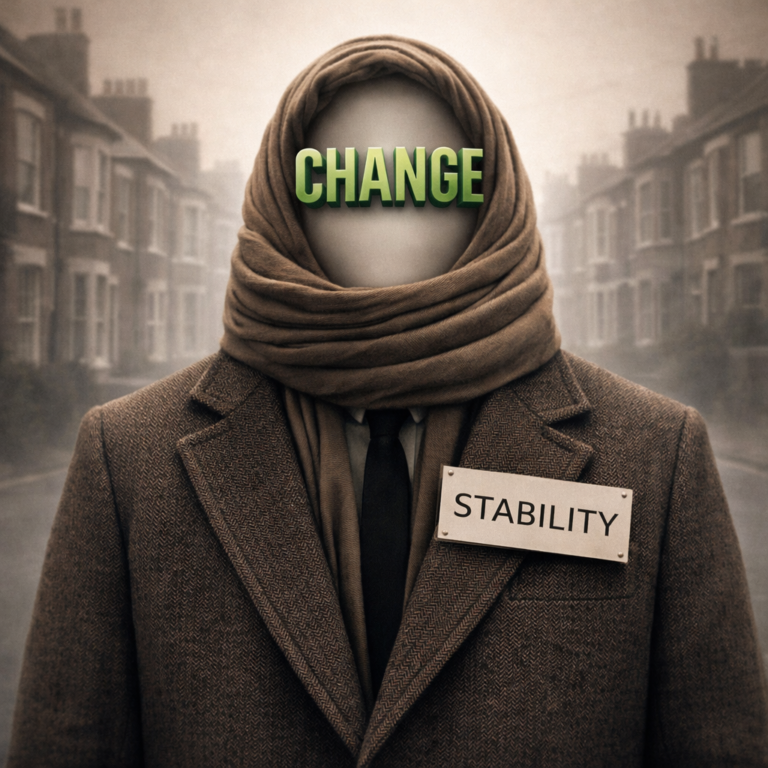

One of the most reassuring stages in a landlord’s journey is the moment when the portfolio finally feels stable. Rents arrive consistently, borrowing is manageable, and the operational routines that once required constant attention now feel almost automatic. The business runs smoothly, problems are dealt with efficiently, and the portfolio appears settled. For many experienced landlords this stability represents the reward for years of careful decision making. It is therefore perfectly natural to assume that stability means the portfolio has reached its optimal form, yet stability can sometimes disguise something else entirely. It can quietly mask the fact that the circumstances surrounding the portfolio may have changed.
The comfort that stability creates
Once a portfolio becomes predictable, landlords often enjoy a period where the business feels reassuringly calm. The intense activity of the building phase has passed. There are fewer urgent refinancing decisions and fewer acquisition opportunities demanding attention. From the outside the portfolio looks complete.
The properties perform, the income is dependable, and the landlord knows how the system works. That comfort is well deserved. Stability is not easily achieved in the property sector and many landlords never quite reach it, yet stability can sometimes make it harder to recognise when circumstances have shifted.
When the world around the portfolio evolves
The property market does not remain static for decades at a time. Lending rules evolve, tax legislation changes, regulatory expectations shift and family circumstances naturally develop, and each of these changes may occur gradually. None may feel significant on their own, but over a long period the environment surrounding a portfolio can become very different from the one that existed when the properties were first acquired, and because the portfolio itself continues operating successfully, these shifts can remain largely unnoticed.
The quiet questions that eventually appear
When landlords begin to look more closely at mature portfolios, certain questions often begin to surface.
Does the structure surrounding the portfolio still reflect the environment in which it now operates?
Is the business organised for the next twenty years, or mainly for the previous twenty?
If circumstances changed unexpectedly, how easily could the portfolio adapt?
Are there opportunities that remain invisible simply because the portfolio appears comfortable as it is?
These questions rarely arise while the landlord is focused on day-to-day management. They tend to emerge only when someone pauses long enough to examine the broader picture.
Why stability can delay reflection
Human nature plays a role here; when something works well, most people prefer to leave it alone. If the portfolio is performing reliably, the instinct is to continue managing it in the same way that produced those results. In many situations that instinct is entirely sensible, yet mature portfolios sometimes reach a stage where their stability reflects past decisions rather than present priorities.
The properties remain valuable, the income remains dependable, but the surrounding structure may never have been revisited since the earlier years of the landlord’s journey.
The difference between stability and optimisation
A portfolio can be stable without necessarily being optimised for the future; that distinction is subtle but important. Stability simply means the business continues functioning successfully in its current form. Optimisation asks a different question. It asks whether that form still reflects the landlord’s present objectives and the environment in which the portfolio now exists. Understanding the difference between the two is often the moment when landlords begin looking at their portfolios with fresh perspective.
The stage many experienced landlords recognise
We increasingly find that experienced Property118 readers reach a stage where their portfolio is operating smoothly but curiosity begins to replace urgency. The landlord is not necessarily trying to fix a problem. Instead they want to understand whether the assets they have built are positioned as effectively as possible for the years ahead. That curiosity often leads to thoughtful conversations about the long-term direction of the business.
In the next article in this series, I will explore a final question that many experienced landlords eventually encounter: why the future of a mature portfolio is often shaped by decisions that feel surprisingly small at the time they are made.
An invitation for established landlords
If you have built a substantial portfolio and feel that it has reached a stable stage, it may be an ideal moment to step back and examine the wider picture.
BOOK A CONSULTATION
These conversations tend to be most useful for landlords with established portfolios and relatively modest borrowing who are beginning to reflect on how their assets could work differently in the years ahead.
|
★★★★★
|
Help other landlords find Property118If you have found Property118 useful, a short Trustpilot review would make a meaningful difference. It helps other landlords decide whether our research is worth following. |
Be the first to comment
Your experience could help the next reader
Have you dealt with something similar? Share what you learned, raise a question or offer a perspective your peers may find useful.
Not a member yet? Join In Seconds
Login with